March 4, 2026
Metal roofing has become an increasingly popular choice for homeowners seeking a durable, energy-efficient, and aesthetically versatile roofing solution. Its rise in popularity is due to its ability to provide long-term protection, reduce energy costs, and offer a wide range of design options. Working with a trusted residential roofing contractor ensures that homeowners receive a roof that meets their functional and stylistic needs while providing peace of mind for decades to come.
1. Maximize Durability and Longevity
Metal roofs are renowned for their exceptional durability, offering protection against harsh weather conditions such as high winds, heavy rain, and snow. A residential roofing contractor knows that, unlike traditional roofing materials, metal roofs are non-porous, preventing water from seeping in and reducing the risk of leaks. This superior weather resistance makes metal roofing an ideal choice for homeowners and businesses in diverse climates, ensuring their property remains secure regardless of environmental conditions.
In addition to weather resistance, metal roofing generally outlasts conventional options like asphalt or wood shingles. According to This Old House, metal roofs can last up to 50 years or more, far exceeding the typical lifespan of other materials. This longevity reduces the frequency of replacements and associated labor costs, making metal roofing a cost-effective solution over time. For homeowners, it means fewer disruptions and a long-lasting investment in property protection.
Maintenance requirements for metal roofing are also minimal. Unlike other materials that are prone to mold, algae, or rot, metal roofs require only routine inspections and minor cleaning to maintain functionality and appearance. Homeowners can rely on their residential roofing contractor to perform occasional upkeep, resulting in lower maintenance expenses and less stress over time.
2. Enhance Energy Efficiency
Metal roofing contributes significantly to energy efficiency through its reflective properties. These roofs reflect solar radiation, which helps maintain cooler indoor temperatures during hot summer months. This can reduce reliance on air conditioning, resulting in noticeable savings on energy bills. Homeowners working with a residential roofing contractor can leverage this feature to improve comfort and reduce operational costs.
Beyond reflectivity, metal roofs can improve insulation, creating a stable indoor climate and further reducing heating and cooling demands. Enhanced insulation also complements the reflective qualities of metal roofing, offering year-round energy savings and contributing to a more comfortable living or working environment.
Metal roofs are highly compatible with solar panel installations, supporting the weight of solar arrays without compromising structural integrity. Their extended lifespan often exceeds that of the panels themselves, ensuring that energy systems remain efficient without requiring simultaneous roof replacement. This synergy allows homeowners to maximize renewable energy generation while reducing energy costs over time.
Choosing metal roofing can also aid in achieving green building certifications, such as LEED. Its energy-efficient characteristics align with sustainability goals, enabling property owners to earn points toward certification. By integrating energy-conscious choices, homeowners not only reduce environmental impact but also enhance the marketability and value of their property.
3. Boost Aesthetic Versatility
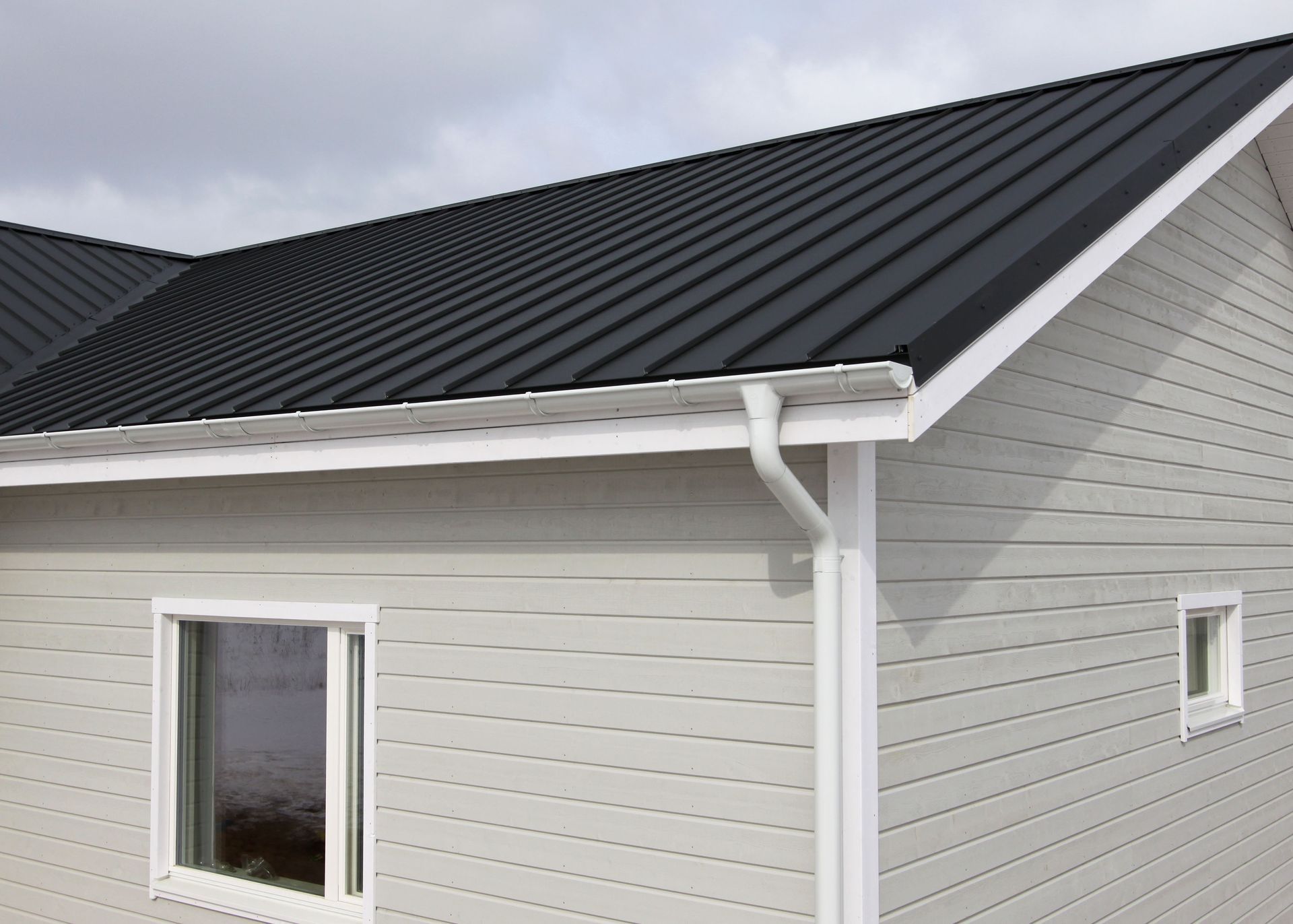
Metal roofing offers unparalleled aesthetic flexibility. It is available in a wide range of styles—including standing seam, shingles, tiles, and panels—allowing homeowners to match or enhance architectural designs. Advanced coating techniques also provide a choice of matte or glossy finishes, giving residential properties a tailored and polished appearance.
The visual appeal of metal roofing can significantly enhance curb appeal. Sleek, modern designs inject a contemporary edge, while traditional styles can complement historical or classic homes. Increased curb appeal often translates to higher property value and a more attractive home for potential buyers.
Color customization adds another layer of versatility. Homeowners can select colors that harmonize with existing exteriors or create striking contrasts. Metal roofing can also be combined with other materials, such as stone, wood, or brick, to achieve a unique architectural style. This combination allows creative expression while maintaining durability and performance.
Furthermore, metal roofing supports the preservation of historical architecture. Designs that replicate slate or wood shingles allow older homes to retain their original charm while benefiting from modern durability. This blend of style and longevity makes metal roofs an excellent option for both new constructions and renovations.
4. Promote Environmental Sustainability
Metal roofs are highly recyclable, contributing to reduced demand for raw materials and minimizing landfill waste. The production and recycling processes are less energy-intensive compared to traditional roofing, making metal an environmentally responsible choice for homeowners seeking sustainable options.
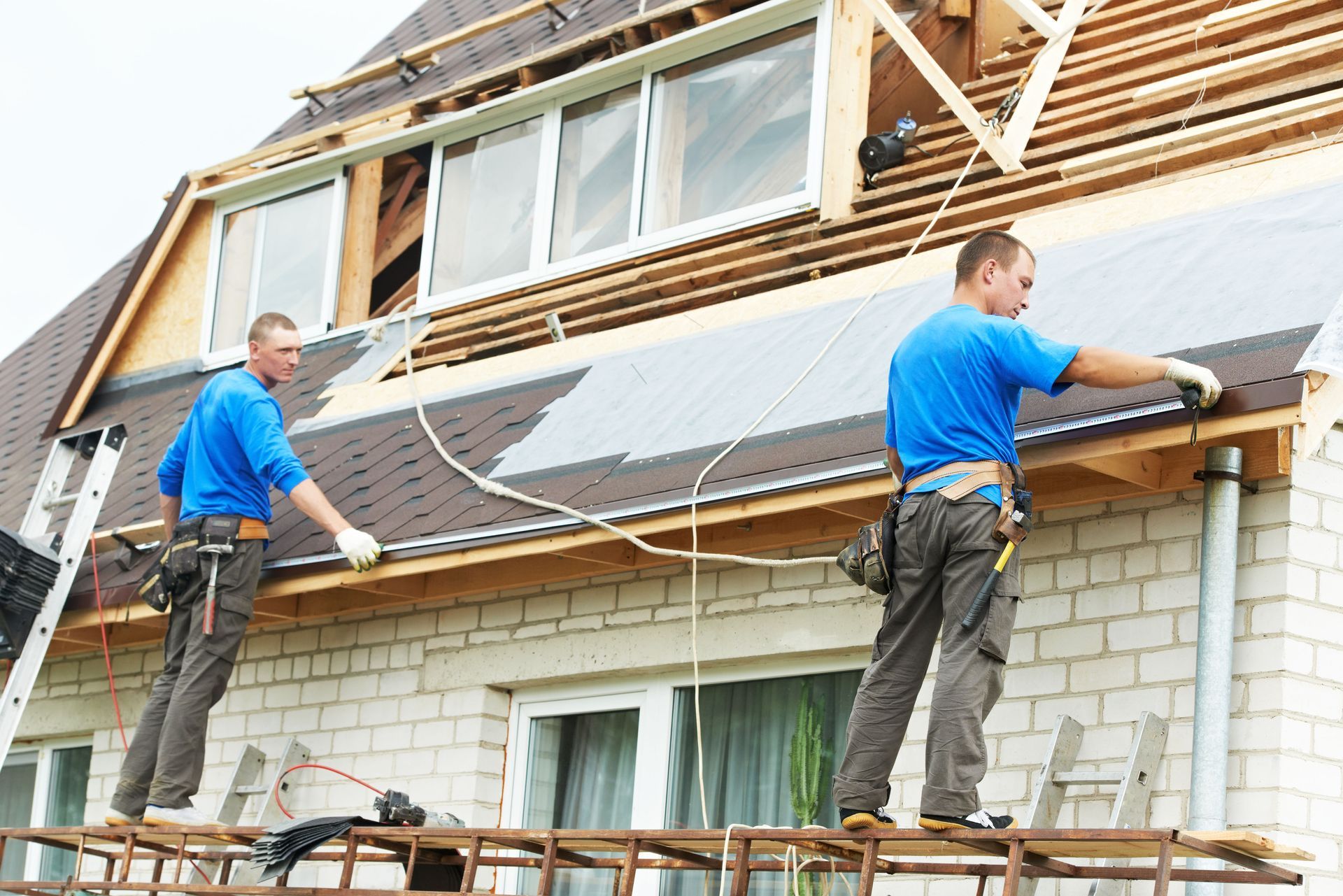
Construction waste is also minimized with metal roofing due to precise manufacturing methods. A residential roofing contractor can help make sure there are minimal scraps and leftover materials during installation, support sustainable building practices, especially in large-scale projects where waste reduction is significant.
The long lifespan of metal roofing further conserves resources, reducing the frequency of replacements and associated environmental costs when working with a residential roofing contractor. Its reflective and cooling properties help mitigate urban heat islands, adding to its environmental benefits. By choosing metal roofing, homeowners align with modern sustainability practices and reduce their property's ecological footprint.
Metal roofs also support a circular economy by re-entering production cycles at the end of their life. This approach conserves raw materials, reduces landfill contributions, and encourages a closed-loop system. Environmentally conscious homeowners can rely on residential roofing contractors to implement these solutions responsibly, ensuring a sustainable building investment.
5. Improve Safety and Security
Safety is a key consideration with metal roofing. These roofs offer excellent fire resistance, with most achieving a Class A fire rating—the highest available. This makes metal roofing particularly valuable in regions prone to wildfires or in applications requiring stringent fire safety compliance.
Metal roofs deter pests that often damage traditional materials, as the hard, smooth surface is unwelcoming to insects and rodents. Reduced pest intrusion minimizes repair costs and prevents structural damage over time, providing homeowners with peace of mind.
Structurally, metal roofing withstands severe weather, including high winds, hail, and heavy snow loads. Interlocking panels or shingles reinforce the roof, protecting against uplift and impact. In addition, metal roofs can enhance home security, as their strength and noise deterrent reduce the likelihood of unauthorized entry. These combined safety benefits make metal roofing a comprehensive protective solution.
Impact resistance against hail and wind ensures long-term performance even in regions with unpredictable weather. By working with a qualified residential roofing contractor, homeowners can ensure proper installation, maximizing safety and structural integrity while minimizing repair needs.
6. Optimize Cost-Effectiveness Over Time
Although metal roofing often involves higher upfront costs, the long-term return on investment is substantial. Its durability, minimal maintenance, and energy efficiency translate into significant savings over the roof's lifetime. Homeowners benefit from lower repair costs, reduced energy bills, and increased property value, making metal roofing a sound financial decision.
Insurance premiums may also be lower with metal roofs due to their resistance to fire, wind, and impact. This reduction in risk contributes to ongoing savings, offsetting initial installation costs and enhancing overall affordability.
Metal roofing can increase resale value by appealing to buyers seeking sustainable, low-maintenance, and durable features. Its aesthetic flexibility and energy efficiency further enhance the property’s attractiveness in a competitive real estate market.
Finally, lifetime cost analysis confirms that metal roofing is economically advantageous. With fewer repairs, lower energy costs, and financing options available.
If you are ready for a roofing solution that is long-lasting, safe, and sustainable, contact us at Matthew's Home Improvements today. We will work with you to install a metal roof and achieve a practical balance between upfront investment and long-term savings.